
The central idea is simple but profound: information doesn’t always arrive through thought first. Sometimes it arrives as sensation, imagery, emotion, or knowing — and meaning follows later.
This perspective reframes how we think about intuition, manifestation, and even decision-making in everyday life.
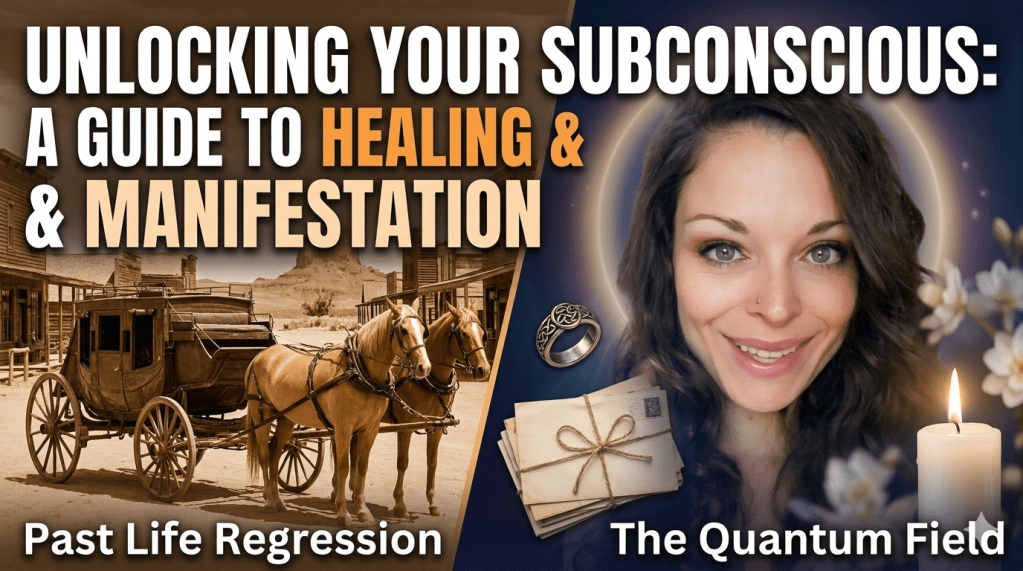
An intuitive exploration of perception, consciousness, and how
information seems to arise before logic catches up.
The Quantum Field as an Information Space
Throughout the video, the quantum field is described less as a mystical concept and more as an informational environment — a space where possibilities already exist before we consciously name them.
Information can be perceived before it is understood. Awareness seems to “tune into” what is already present. Meaning is constructed after perception, not before it.
Rather than “creating” outcomes from scratch, the process shown here suggests that humans are interpreters of potential, not originators of it.
How Intuitive Perception Actually Unfolds
One of the most valuable aspects of this session is how it reveals the messy, nonlinear nature of intuitive perception. Instead of clean messages or instant clarity, intuition appears demystified.
It’s not about certainty — it’s about staying present long enough for coherence to form.
Identity, Observation, and Meaning
Another theme woven throughout is how identity + perception interact. Observation comes first. Interpretation comes second. This matters because many people dismiss intuitive insights simply because they don’t immediately “make sense.” The video shows that clarity often arrives through engagement, not analysis.
⚠ What This Means for Manifestation (Without the Hype)
Rather than presenting manifestation as “thinking something into existence,” Xtina frames it as alignment with information already present in the field. Manifestation, in this context, looks like:
- Becoming aware of what is already unfolding
- Responding instead of forcing
- Allowing insight to mature before acting
This removes pressure and replaces it with attentiveness.
How You Can Use This in Your Own Life
You don’t need to be intuitive, spiritual, or scientifically trained to apply these ideas. Here are practical ways you can integrate this perspective into your own beingness:
1. Pause Before Interpreting
When something feels “off” or interesting, resist the urge to immediately label it. Sit with the sensation first.
2. Notice What Comes Before Thought
Pay attention to:
- Gut reactions
- Emotional shifts
- Mental images
- Sudden clarity without reasoning
These are often the first signals.
3. Let Meaning Arrive Gradually
Instead of demanding instant answers, allow understanding to unfold through reflection, conversation, or journaling.
4. Respond, Don’t Force
In decisions, notice what feels aligned before constructing logical justifications. Logic refines insight — it doesn’t replace it.
5. Trust Pattern Recognition
The more you observe without judgment, the better you become at recognizing patterns — internally and externally.
Why This Perspective Resonates
This approach bridges intuition, awareness, and grounded experience. It doesn’t ask you to believe in anything — only to notice how perception actually works.
By paying attention to how information arises naturally, you can make clearer decisions, feel more confident in uncertainty, and relate to life with less resistance.
Watch the Full Video
This blog post outlines the themes and flow of the session, but the full experience comes from watching the video itself — especially hearing how the insights emerge in real time.
👉 Watch the full video to experience the unfolding process firsthand.
If you’re interested in deeper exploration, intuitive sessions, or future content like this, consider subscribing or booking a session here.
 Adventure Begins Here